Table of Contents
Your body often feels stress long before your mind notices it. Tight shoulders, a stiff lower back, aching feet, poor sleep, and tension headaches are clear signs that your muscles need a break. When these problems build up, even normal daily tasks become exhausting and uncomfortable.
Massage therapy clears away this built-up strain through careful, hands-on pressure. By working on tight spots, these techniques help you move more easily and allow your nervous system to fully calm down. It makes movement easier, lighter, and more rested.
In this blog, we’ll explain what massage therapy is, how it works, common massage methods, and its types. You will also learn about its key benefits, what to expect during your first massage, and simple post-care tips to help you feel better after the treatment.
- Massage therapy is a hands-on treatment that works on muscles, connective tissues, and soft tissues through pressure, rhythm, and movement.
- It helps reduce muscle tightness, stress, soreness, poor sleep, body fatigue, and limited movement.
- Common massage types include Swedish, aromatherapy, Ayurvedic, deep tissue, sports, trekker’s massage, Thai-stretching, foot reflexology, cupping, prenatal, and postnatal massage.
- The right massage depends on your body concerns, pressure comfort, health condition, and reason for booking the session.
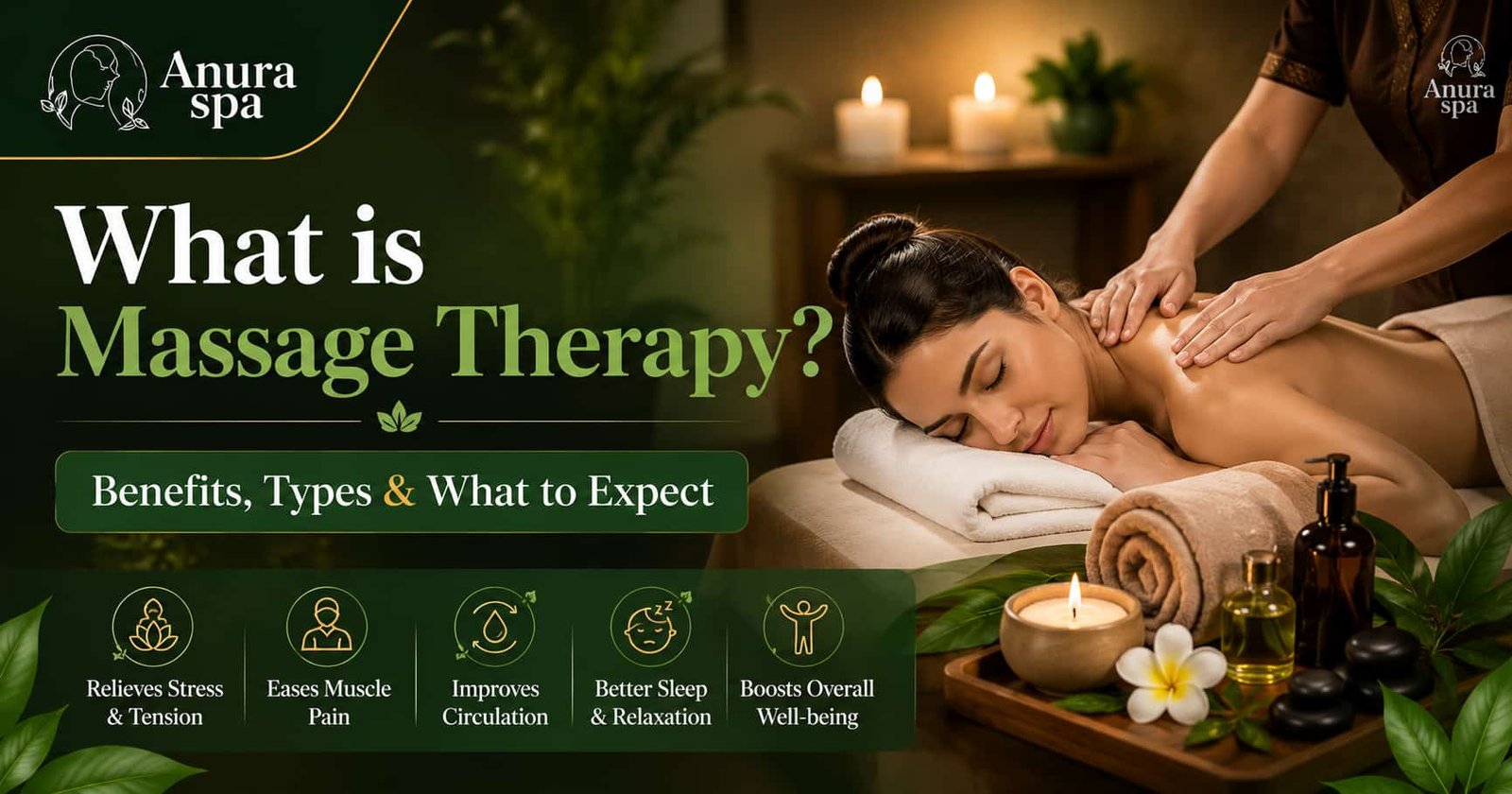
What is Massage Therapy?
Massage therapy is a hands-on treatment that works on muscles, connective tissues, and other soft tissues through touch, movement and controlled pressure. It is done by trained, licensed massage therapists who know exactly how to use pressure, rhythm, and hand movements to ease aches, boost blood flow, and bring deep relaxation.
The purpose of the massage therapy changes from person to person. Some people book it for stress relief, while others need help with stiffness, muscle soreness, poor posture, or recovery after strenuous physical activity. A good session is always customized to match your health history, personal goals, and comfort levels.
How Massage Therapy Works
Massage therapy works through physical pressure and the body’s relaxation response. A trained therapist uses controlled movements to stretch tight muscles, loosen stiff tissue, and bring fresh blood flow to the area. This boost in circulation helps oxygen and nutrients reach tired muscles much faster.
Similarly, focused pressure on the right areas helps calm the nervous system. It helps your body move away from stress and settle into a more restful state. As the body relaxes, breathing slows, muscle guarding reduces, and you feel lighter, calmer, and more comfortable.
Common Massage Methods & Techniques
The most common massage techniques include effleurage, petrissage, friction, tapotement, vibration, compression, stretching, and trigger point pressure. Massage therapists use different hands-on methods to match the client’s needs, pressure comfort, and treatment goals.
- Effleurage: Effleurage is a soft, smooth massage stroke done with the palms, fingers, or forearms. Practitioners often use it at the start of a session to warm the muscles and help the body relax.
- Petrissage: Petrissage involves kneading, rolling, lifting, or squeezing the muscles. This method works well on larger areas like the back, shoulders, thighs, and calves because it reaches tight tissue more directly.
- Friction: Friction uses small, firm rubbing movements over a focused area. The pressure helps work on stiffness and tight muscle fibers. Therapists use it when a muscle needs more direct attention.
- Tapotement: Tapotement uses rhythmic tapping or light striking with the hands, fingertips, or sides of the palms. This technique stimulates the muscles and gives tired areas a more refreshed sense.
- Vibration: Vibration uses quick shaking or trembling movements over your muscles. The gentle motion releases tension without strong pressure, making it useful for sensitive or tired areas.
- Compression: Compression uses steady pressure on a muscle without sliding across the skin. The pressure helps soften tight spots, support blood flow, and prepare your muscles for deeper work.
What are the Different Types of Massage Therapy?
Some widely used massage therapy types are Swedish, aromatherapy, Ayurvedic, Balinese, deep tissue, sports, trekker’s massage, Thai stretching, foot massage, reflexology, prenatal massage, cupping therapy, and Shirodhara. Each type serves different needs, from full-body relaxation and stress relief to deep muscle recovery, stretching, heat comfort, and focused pain relief.
The right type depends on your comfort level, pressure preference, and reason for booking the session.
1. Relaxation and Wellness Massages
Relaxation and wellness massages help calm your body, reduce daily stress, and create a more settled state after the session. These massage styles usually use smooth strokes, oils, steady rhythm, and light-to-medium pressure to support comfort without placing too much strain on your muscles.
I. Swedish Massage
Swedish massage uses long strokes, kneading, circular movements, and light-to-medium pressure. It is a good choice for beginners, regular spa visitors, and anyone who prefers a gentle full-body session. The main goal is to relax your muscles, support circulation, and create a calm break from daily stress.
II. Aromatherapy Massage
Aromatherapy massage uses gentle strokes and scented essential oils, such as lavender, eucalyptus, peppermint, or rose, to relax the body and calm the mind. It focuses more on stress relief, better mood, restful sleep, and sensory relaxation than deep muscle pressure. This style suits you when stress, restlessness, or poor sleep make it hard to unwind.
III. Ayurvedic Massage
Ayurvedic massage uses warm oil and rhythmic bodywork based on traditional wellness practices. The warm oil helps the hands move smoothly over your skin while the steady strokes relax your muscles. This massage method suits you when you want a warm, grounding, and deeply restful experience.
IV. Balinese Massage
Balinese massage blends oil massage, gentle stretching, kneading, and pressure work. It gives more muscle attention than a basic relaxation massage but is less intense than deep tissue work. It works well when you want gentle relaxation with a little extra muscle relief.
V. Lomi Lomi Massage
Lomi Lomi massage is a Hawaiian bodywork style known for long, flowing strokes. Therapists often use their forearms to create broad, continuous strokes that move smoothly across the body. It creates a soft, full-body rhythm that supports deep rest and emotional calm.
VI. Four-Hand Massage
Four-hand massage uses two practitioners working at the same time. The matched movements create a richer and more immersive relaxation experience than a regular session. Because the body receives touch from two directions, the mind often stops tracking each movement and relaxes more deeply.
2. Deep Pressure and Muscle Recovery Massages
Deep pressure and recovery massages work best when muscles become sore, stiff, or overused. These massage methods target deeper tissues, tight spots, posture-related strain, and tired areas after physical activity.
I. Deep Tissue Massage
Deep tissue massage uses slow strokes and firm pressure to reach deeper muscle layers. It is commonly chosen for long-term muscle tension, posture-related discomfort, and areas with restricted movement. Trained professionals adjust the pressure to match the client’s comfort level during the session.
II. Sports Massage
Sports massage supports people who train, exercise, or do regular physical work. It works on muscles affected by repeated movement, heavy use, or intense activity. This therapy is a good choice when you feel sore, struggle with mobility, or need recovery support after physical activity.
III. Trekker’s Massage
Trekker’s special massage focuses on muscles that need recovery after hiking, trekking, long walks, or physically demanding travel. The legs, feet, back, and shoulders usually receive more attention because they carry the most strain during long journeys. Firm pressure, kneading, and stretching help reduce heaviness and muscle fatigue.
IV. Trigger Point Massage
Trigger point massage targets small, tight spots in the muscles that create pain or aches. The therapist applies steady pressure to help release tension in those points. This style works well for shoulder knots, upper back tightness, and focused muscle pain.
V. Back and Spinal Massage
Back and spinal massage works on the muscles around the spine, not directly on the spinal bones. It focuses on the lower back, upper back, and nearby muscles that often tighten from sitting, standing, or poor posture. This bodywork helps ease back strain caused by stiffness, pressure, or long sitting hours.
3. Stretching and Movement-Based Massages
Stretching and movement-based massages focus on flexibility, posture comfort, and easier movement. These methods use assisted stretches, guided body movement, and pressure points instead of only oil-based strokes.
I. Thai-Stretching Massage
Thai-stretching massage combines guided stretching with rhythmic pressure. The therapist moves the body through assisted stretches while applying pressure along muscle lines. It is a good choice when your body feels stiff after sitting, traveling, or exercising, as it helps loosen tight areas and supports easier movement.
II. Shiatsu Massage
Shiatsu is a Japanese massage style that uses finger, thumb, palm, and sometimes elbow pressure. It is usually done without oil and over comfortable clothing. If you prefer focused pressure instead of long, flowing oil massage strokes, shiatsu is a great choice.
III. Acupressure Massage
Acupressure massage applies firm pressure to selected points on the body. The goal is to ease discomfort, reduce tension, and support a better sense of body balance. It works well when you feel tired, stiff, heavy, or tense in specific pressure points.
IV. Assisted Stretch Massage
Assisted stretch massage focuses more on improving movement than applying steady pressure. During the session, the therapist carefully guides your arms, legs, back, or hips through slow stretches to release tightness. This massage helps your muscles feel longer, looser, and easier to move.
3. Heat-Based and Comfort Massages
Heat-based massages use warmth to soften tense muscles and create deeper comfort. They work well when you have body tightness, low warmth, physical fatigue, or trouble relaxing during a regular massage.
I. Hot Stone Massage
Hot stone massage uses smooth, heated stones on selected parts of the body. The warmth relaxes tight muscles before the therapist applies deeper pressure. It is ideal when you want a calming session with warm, soothing pressure.
II. Herbal Compress Massage
Herbal compress massage uses warm cloth bundles filled with herbs. The therapist presses or rolls the heated compress over the body to combine warmth, pressure, and herbal aroma. It helps ease muscle stiffness, reduce body soreness, and create a deeper sense of relaxation.
5. Targeted Area Massages
Targeted area massages focus on one specific body part instead of the full body. These massage options work well when pain, pressure, or fatigue is mainly in the feet, head, neck, shoulders, hands, or scalp.
I. Foot Massage
Foot massage works on the feet, ankles, and lower legs. It uses rubbing, kneading, pressure, and stretching to ease tiredness from standing, walking, or travel. This focused session brings quick comfort when the feet are sore, heavy, or overworked.
II. Foot Reflexology
Foot reflexology uses targeted pressure on specific points of the feet. These points are traditionally linked with different areas of the body. The session is more focused than a general foot massage and is often chosen for relaxation, foot fatigue, and overall body balance.
III. Head, Neck, and Shoulder Massage
Head, neck, and shoulder massage targets areas where stress and screen use often build tension. The therapist works around the scalp, neck, upper back, and shoulders. It reduces upper-body tension caused by long hours of studying, desk work, phone use, or screen time.
6. Pregnancy and Postpartum Massages
Pregnancy and postpartum massages focus on body comfort before and after childbirth. These therapy styles require gentle pressure, safe positioning, and careful attention to the mother’s condition.
I. Prenatal Massage
Prenatal massage is designed for pregnant women, usually during the second or third trimester. The therapist uses gentle pressure and safe positioning to ease pregnancy-related discomfort. It helps with lower back tension, leg heaviness, hip tightness, and fatigue.
II. Postnatal Massage
Postnatal massage supports physical comfort after childbirth. It eases tired muscles, back pain, body fatigue, and stress that builds up after delivery. The session follows the mother’s recovery stage and any guidance from her doctor.
Note: For safety, always consult your doctor before booking a prenatal or postnatal massage session.
7. Traditional and Specialized Bodywork Therapies
Traditional and specialized bodywork therapies use focused methods that differ from a regular full-body massage. Some rely on suction, warm oil, pressure points, or gentle movements for specific wellness needs.
I. Cupping Therapy
Cupping therapy uses suction cups on selected areas of your body. The suction lifts the skin slightly and increases local blood flow. It is often used for back tension, muscle tightness, and recovery after physical strain.
II. Shirodhara
Shirodhara is an Ayurvedic therapy where warm oil flows gently over the forehead. It mainly supports mental calm and deep rest rather than muscle work. It is a great massage option to relieve stress, poor sleep, and mental tiredness.
What are the Benefits of Massage Therapy?
Massage therapy is beneficial for relaxing tight muscles, reducing soreness, and encouraging better body movement. It also supports emotional wellness, improved sleep, better circulation, and a stronger sense of overall relaxation.
- Relieves Muscle Tightness: Massage therapy applies steady pressure to stiff or overworked muscles, which helps reduce tightness and makes daily movement easier.
- Reduces Stress: Slow, guided touch sends calming signals to the nervous system. It allows your body to relax and gives your mind a break from constant pressure.
- Improves Circulation: The hands-on therapy supports blood flow to tired areas, helping muscles receive more oxygen and nutrients.
- Supports Better Flexibility: Looser muscles and softened tissues allow you to move, stretch, and bend without physical restriction.
- Promotes Better Sleep: By reducing the physical restlessness that keeps you tossing and turning, the treatment helps your body to relax and settle more easily at night.
- Improves Overall Relaxation: Massage therapy gives your body a quiet break from daily strain, helping your nervous system calm down and settle muscles into a more relaxed state.
Read More: What are the Key Differences Between a Spa and a Massage?
Who Should Consider Massage Therapy?
Anyone who feels tense, fatigued, stressed, rigid, or sore from daily work, exercise, travel, or trekking should consider massage therapy. It also supports pregnant women, when approved by a doctor, with back discomfort, swelling, and fatigue.
- Office Workers: Long sitting hours often create tightness in your neck, shoulders, and lower back. Dedicated bodywork helps release this pressure and supports better posture during daily work.
- People with Muscle Stiffness: When your muscles are tense or overworked, normal movement becomes uncomfortable and limited. A proper hands-on treatment helps soften tight areas and improve ease of movement.
- Active Individuals: Exercise, sports, and physical work place extra strain on your muscle fibers. Massage therapy supports recovery by relaxing tired areas and reducing post-activity discomfort.
- Travelers and Trekkers: Long walks, flights, road trips, and trekking routes often leave your legs, back, and feet tired. Post-travel bodywork helps the body recover after heavy movement and long travel days.
- People Under Stress: Stress often shows up as tight shoulders, headaches, poor sleep, or body heaviness. Guided therapeutic touch gives the nervous system time to settle and supports a calmer, more relaxed state.
- People with Tired Feet: Standing, walking, or working for long hours puts pressure on your feet. Targeted foot therapy helps reduce fatigue and bring more comfort to your lower body.
- Pregnant Women: Pregnancy often brings lower back discomfort, swelling, and sleep problems. Specialized prenatal sessions provide safe, gentle relief during the second and third trimesters.
What to Expect During a Massage Session?
A massage session usually starts with a short conversation about your body concerns, pressure preference, and treatment needs. The therapist then works on tight or sore areas in a private setting while keeping your body properly covered throughout the session.
- Quick Talk with the Therapist: The therapist asks about your pain areas, health condition, pressure choice, and what you want from the massage.
- A Calm and Private Room: You get a quiet, clean, and relaxing space to settle in before the session starts.
- Proper Covering: Your body is covered with a towel or sheet, and only the area being massaged is uncovered.
- Comfortable Pressure: The therapist uses light, medium, or firm pressure based on what works best for you. You can ask them to adjust it anytime.
- Focus on Tense Areas: The therapist spends more time on areas like your back, neck, shoulders, legs, or feet if those areas have soreness, pressure, or muscle tension.
- Relaxed Feeling Afterward: After the session, your body may become calmer, looser, or slightly sleepy. Drinking water and resting for a while help your body recover more easily.
What are the Key Post-Massage Care Tips?
After a massage therapy session, drink plenty of water, rest, and avoid heavy workouts for the rest of the day. Moreover, gentle stretching, light movement, and a warm shower help reduce soreness and keep your muscles relaxed after the treatment.
I. Drink Enough Water: A massage leaves your body feeling warm and relaxed. Drinking water helps you stay hydrated after the session.
II. Rest for a While: Avoid rushing back into heavy work or exercise right after your massage. Give your muscles time to adjust and recover.
III. Avoid Heavy Meals: A light meal, such as soup, fruit, or an easy-to-digest meal, is better after a massage. Heavy food makes your body sluggish or uncomfortable.
IV. Skip Alcohol: Alcohol dehydrates the body and reduces the calming effect of the session. Choose water, herbal tea, or a light drink instead.
V. Take a Warm Shower: Wait a few hours for the massage oils to absorb fully into your skin, then take a warm shower in the evening to keep your muscles loose.
VI. Pay Attention to Your Body: Some soreness is normal after deeper muscle work. But if you experience sharp or unusual pain, consult your health professional immediately.
Conclusion
Massage therapy is a gentle way to listen to your body and release stored tension. It helps your body feel better when muscles become painful, stiff, tired, or tense from stress. Whether you need deep muscle relief, better rest, emotional calm, or simple relaxation, the right treatment leaves your body lighter, looser, and more at ease.
A good massage feels more complete when the space is calm, and the therapist understands your body’s needs. That’s where Anura Spa comes in with a peaceful setting, skilled hands, and massage care shaped around your comfort. From Swedish massage for relaxation to deep tissue massage for tight muscles and trekker’s massage for post-trek fatigue, each session is designed to support real body recovery. Book your session with Anura today!
Frequently Asked Questions
Is massage therapy the same as a regular massage?
No, massage therapy and regular massage are not the same. Massage therapy is a structured treatment performed by a trained therapist to address specific needs such as muscle tension, stiffness, stress, or recovery. In contrast, a regular massage is more general and mainly focuses on relaxation and temporary relief.
How long does a massage therapy session last?
A massage therapy session usually lasts 30, 60, 90, or 120 minutes, depending on the treatment type and your body’s needs.
Which massage type is best for your body?
The best massage type for your body depends on your goals, pain level, and how much pressure you can comfortably handle. For example, Swedish massage is ideal for relaxation, deep tissue massage targets deeper muscle tension, and trigger point therapy focuses on painful knots.
How often should you get massage therapy?
Many people choose weekly, biweekly, or monthly sessions for stress relief, muscle care, and regular relaxation. However, the ideal frequency depends on your body condition, stress level, and lifestyle.
Which body parts need extra care during a massage?
During a massage, extra care should be given to sensitive areas such as the front of the neck, armpits, elbow crease, groin, and the back of the knee. These areas have major blood vessels, nerves, and lymph nodes close to the surface, so strong pressure is unsafe.
Is massage therapy safe for everyone?
No, massage therapy is not safe for everyone. People with fever, infection, recent injury, skin problems, blood clot concerns, serious health conditions, or pregnancy-related risks should speak with a doctor before booking.
What should you wear to a massage therapy session?
You should wear loose, comfortable clothing to a massage therapy session. For an oil-based massage, undress only to your comfort level while the therapist uses proper towel or sheet draping for privacy.