Table of Contents
Deep muscle tension does not always disappear after rest. Sometimes, tightness builds up deep within the muscles and connective tissues, leading to persistent discomfort, stiffness, limited movement, or recurring aches. Over time, it makes your everyday activities feel more difficult and leaves your body feeling tired or strained.
That is where a deep tissue massage gives your body targeted relief through slow strokes and firm pressure. It works on deeper muscle layers and tight soft tissues to ease stiffness, reduce soreness, and support better movement. As a result, your body feels lighter, calmer, and more relaxed.
In this guide, we’ll explain what deep tissue massage is, how it works, its key benefits, and what happens during a session. You will also learn when to choose this massage, when to avoid it, and how to care for your body afterward.
- Deep tissue massage targets deeper muscle layers and tight connective tissues to ease stiffness, soreness, and locked muscle tension.
- It uses slow strokes, firm pressure, and focused techniques on areas like the neck, shoulders, back, hips, and legs.
- The main benefits include muscle tension relief, better flexibility, improved movement, faster recovery, stress relief, and better local blood flow.
- Deep tissue massage suits office workers, trekkers, travelers, active people, and anyone who prefers firm pressure for deeper muscle comfort.
What is Deep Tissue Massage Treatment?
Deep tissue massage is a massage therapy that targets deeper muscle layers and tight connective tissues. It applies firm pressure to areas where tension feels locked, such as your neck, shoulders, back, lower back, and legs. This approach suits your body when surface-level relaxation does not fully ease tightness or soreness.
The main purpose of the massage is to release built-up muscle tension and support better physical comfort. It helps your body feel less stiff, improves ease of movement, and gives dedicated attention to tired or overworked muscles. It is an excellent option for anyone dealing with stress, physical strain, travel fatigue, workout soreness, or post-trek body tension.
How Does Deep Tissue Massage Work?
Deep tissue massage works by applying slow, steady pressure to deeper layers of muscles and soft tissues. The therapist focuses on tight areas where tension builds from stress, posture, exercise, travel, or repeated body movement. This controlled stroke reaches below the surface muscles and works on deeper tissues that often feel sore, stiff, or restricted.
At the same time, the practitioner also targets muscle knots, tight bands, and areas with limited movement. As they use steady compression and focused contact, the tissues gradually relax and respond better to movement. For this reason, deep tissue massage is not about using force. It is about applying the right level of intensity to the right area with proper control.
What Are the Benefits of Deep Tissue Massage?
Deep tissue massage helps release tight muscle knots, ease body pain and soreness, improve flexibility, and support faster muscle recovery after workouts, travel, or trekking. It also reduces stress and improves local blood flow, which helps your body feel lighter, calmer, and more refreshed after the session.
- Muscle Tension Relief: The therapy reaches tight muscle layers where tension stays locked after stress, posture strain, or physical activity. With slow and controlled touch, the muscles begin to loosen, which makes your body feel relaxed.
- Ease Body Pain and Soreness: Body pain often becomes stronger when nearby muscles stay tight for too long. By relaxing those tense areas, it reduces strain around sore spots and helps your body feel significantly more comfortable.
- Better Flexibility and Movement: Tight muscles limit how freely your body bends, stretches, and moves during daily activity. As deep tissue bodywork loosens stiffness, your joints and muscles move with better ease and less discomfort.
- Faster Muscle Recovery: Workouts, long journeys, and trekking put repeated strain on your legs, back, shoulders, and hips. Deep tissue therapy helps tired muscles relax after heavy use, so your body feels lighter and better prepared for movement again.
- Stress Relief: Stress often shows up in your body as tight shoulders, a heavy back, or clenched muscles. As deep tissue massage relaxes these areas, your body feels calmer, and your mind also gets space to slow down.
- Improve Blood Flow: Steady massage strokes over tight areas help improve local blood flow in the muscles being treated. This circulation supports tissue comfort, which helps your body feel refreshed after the session.
Deep Tissue Massage vs Regular Massage: What’s the Difference?
Regular massage usually focuses on general relaxation, light muscle comfort, and stress relief. On the other hand, deep tissue massage focuses on deeper muscle tension and specific areas that feel stiff, sore, or restricted.
Here’s a quick comparison between deep tissue and regular massage:
| Factor | Deep Tissue Massage | Regular Massage |
| Main focus | Deep muscle tension and stiffness | General relaxation and comfort |
| Pressure level | Stronger and more focused | Light to moderate |
| Best for | Tight muscles, soreness, and restricted movement | Stress relief and simple relaxation |
| Targeted Areas | Specific tense areas | Full body or general areas |
| Overall Feeling | More intense and focused | Softer and more calming |
Who Should Get a Deep Tissue Massage?
Deep tissue treatment is suitable for people with tight muscles, posture strain, travel fatigue, post-trek soreness, or exercise-related body tension. It works best when you need firm, focused care for deeper areas like the neck, shoulders, back, hips, and legs.
- Office Workers With Posture Strain: Long sitting hours often tighten your neck, shoulders, and lower back. Deep tissue massage gives focused care to the areas and eases this built-up tension.
- Trekkers and Travelers: Long trekking days, bumpy roads, and heavy backpacks often put extra strain on your legs, hips, and back. Having a deep tissue therapy after a journey helps these overworked areas relax and feel more comfortable.
- People With Recurring Muscle Tightness: Some tension returns again and again because of repeated movement, work habits, or stress. In that case, deep tissue massage helps address deeper tight spots instead of only relaxing the surface muscles.
- Active People and Fitness Lovers: Exercise puts repeated strain on your muscles, especially after strength training, running, or cycling. As a result, this massage supports muscle comfort after physical activity and helps your body feel ready for movement again.
- People Who Prefer Firm Pressure: Deep tissue massage suits people who do not feel enough relief from light massage. It uses slower and firmer pressure, so it is better for those who want deeper muscle work.
When Should You Avoid Deep Tissue Massage?
You should avoid deep tissue massage when your body is healing from surgery, injury, infection, wounds, or fractures. It is also unsafe without medical approval if you have blood clot risks, fragile bones, pregnancy complications, or major health conditions.
- Blood Clot Risk: Avoid deep tissue massage if you have blood clots or a history of deep vein thrombosis. Strong bodywork in the affected area creates a serious risk, so medical clearance comes first.
- Recent Surgery or Injury: Your body needs proper healing time after surgery, fractures, sprains, or major injuries. Therefore, deep massage over injured or recently treated areas is unsafe until your doctor approves it.
- Open Wounds or Skin Infection: Do not get a massage over cuts, burns, rashes, infections, or inflamed skin. Direct contact with these areas irritates the skin further and increases the risk of spreading infection.
- Severe Bone Weakness: People with severe osteoporosis or fragile bones need extra care with any firm bodywork. In this case, deep tissue massage places unnecessary strain on the bones and surrounding tissues.
- High-Risk Pregnancy: Pregnancy needs a trained practitioner and the right massage style. If you have complications or a high-risk pregnancy, speak with your healthcare provider before booking a deep tissue massage.
- Serious Health Conditions: Conditions such as cancer treatment, uncontrolled blood pressure, nerve disorders, or major heart problems need professional medical advice first. For your safety, always share your health history before the session.
What Happens During a Deep Tissue Massage Session?
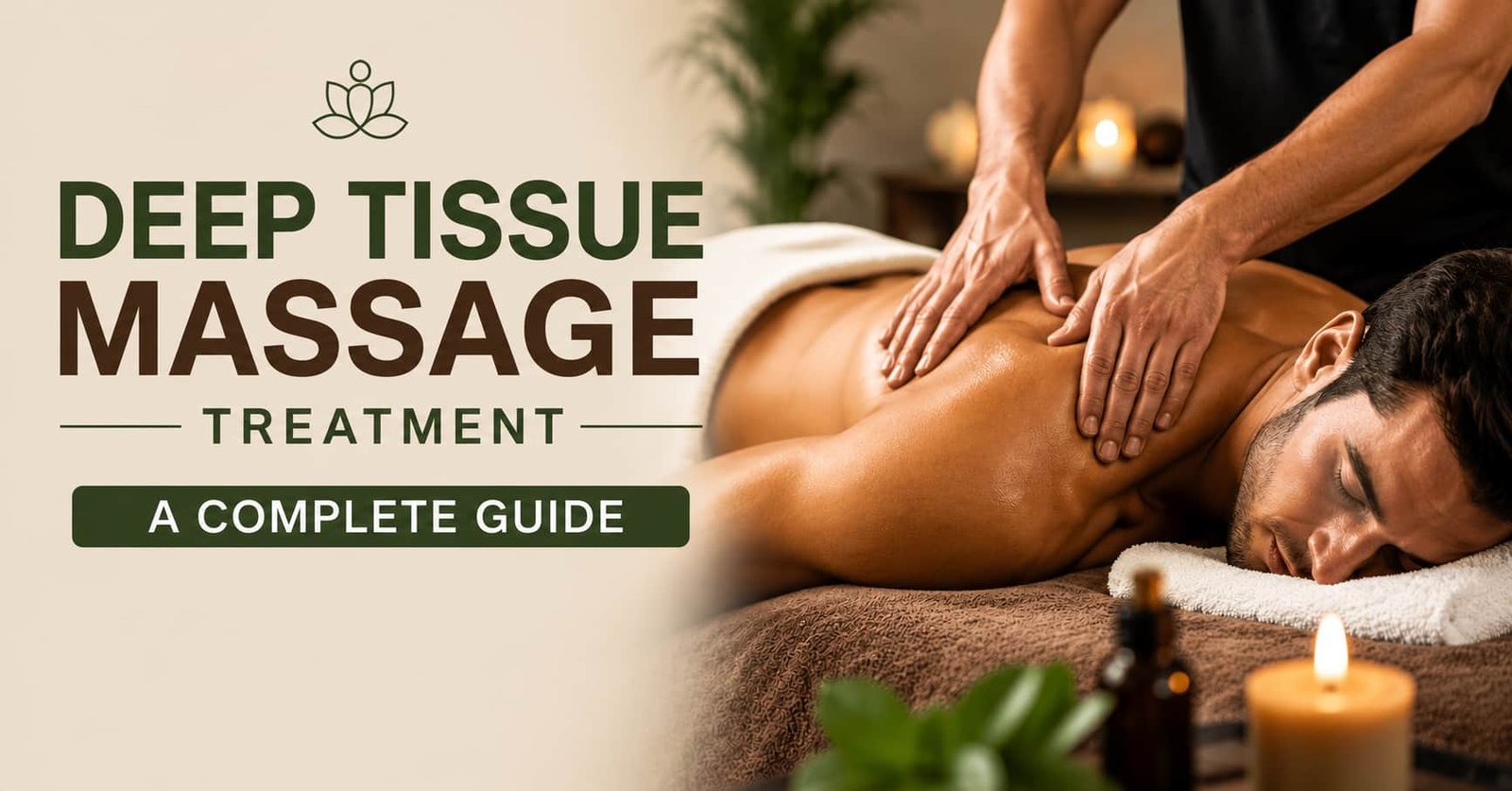
During a deep tissue massage session, your therapist first understands your body concerns and warms up your muscles with gentle strokes. Then, they apply slow and steady pressure on tight areas before ending with calming movements.
- Short Consultation: Your therapist first asks about your body concerns, pressure preference, and any pain or injury. It helps them understand which areas need more attention.
- Gentle Warm-Up: The session usually begins with lighter strokes to relax your body. This prepares your muscles before deeper pressure is applied.
- Focused Pressure on Tight Areas: Your therapist slowly applies firm pressure to the areas that feel stiff, sore, or tense. They spend more time on your shoulders, lower back, legs, or hips, depending on your needs.
- Use of Hands, Forearms, or Elbows: Deep tissue massage involves hands, thumbs, knuckles, forearms, or elbows. These techniques help the therapist reach deeper muscle layers safely and effectively.
- Pressure Check During the Session: Your therapist may ask whether the pressure feels comfortable. You should speak up if it feels too strong, sharp, or painful.
- Slow Release of Muscle Tension: The therapist works slowly instead of rushing through the massage. This gives tight muscles time to relax and respond to the pressure.
- Relaxing End to the Session: The session usually ends with lighter strokes to calm your body. After the massage, your therapist may suggest drinking water, resting, or avoiding heavy workouts for the day.
What Should You Do After a Deep Tissue Massage?
After a deep tissue massage, follow simple aftercare: drink water, rest for the day, skip intense workouts, and choose light, healthy food. Also, pay attention to your body, since mild soreness is expected, while sharp or unusual pain needs expert guidance.
- Drink Enough Water: Water helps your body stay hydrated, which makes you feel refreshed, especially when your muscles feel warm, tender, or tired.
- Rest for the Day: Give your body time to adjust after deep tissue work. Instead of rushing into heavy activity, choose a calm routine so your muscles recover with ease.
- Avoid Heavy Exercise: Skip intense workouts for at least 24 hours to prevent extra strain on your muscles.
- Take a Warm Shower: A warm shower adds comfort after the session. However, avoid very hot water if your skin feels sensitive or your muscles feel sore.
- Eat Light and Healthy Food: A simple meal supports your energy without making your body feel heavy. Choose balanced food and avoid overeating right after the massage.
- Listen to Your Body: Mild soreness is normal, but sharp or unusual pain that lasts several days needs professional advice.
Side Effects of Deep Tissue Massage
The common side effects of deep tissue massage are tender muscles, temporary tiredness, red or warm skin, light headache, and mild nausea. These effects are usually normal after focused muscle work and should fade within a short time.
- Muscle Soreness: Some people feel soreness after a session because deeper muscle layers receive firm and focused work. This feeling is similar to post-workout tenderness and often settles as your muscles relax.
- Temporary Fatigue: Deep relaxation changes how your body feels right after the session. Therefore, you feel sleepy, calm, or slightly heavy as your nervous system slows down and your muscles release tension.
- Skin Sensitivity: Treated areas sometimes look red or feel warm due to increased blood circulation. In addition, sensitive skin reacts faster to firm touch, so the effect usually fades within a short time.
- Light Headache or Nausea: Some people feel a headache or mild nausea when their body responds strongly to deep muscle work. In this situation, rest, water, and light movement help your system return to normal comfort.
Wrapping Up
Deep tissue massage gives your body focused relief when tight muscles, stiffness, and soreness affect your daily comfort. It works deeper than a light relaxation massage and helps release tension in areas like the neck, shoulders, back, hips, and legs.
To get the most from your session, choose a trained massage practitioner and explain where your body feels tight, sore, or heavy. Then, support your recovery afterward with enough water, proper rest, and a lighter routine for the day.
Once your body is ready for that kind of focused care, choosing the right spa makes the experience even better. At Anura Spa, your deep tissue massage feels personal, calm, and well-guided from the start. Our team focuses on your tension areas, comfort level, and relaxation needs, while the peaceful setting helps you slow down fully.
Book your appointment with us and give your body the focused care it deserves.
FAQs
What is deep tissue massage treatment good for?
Deep tissue massage treatment is good for muscle tightness, body stiffness, stress tension, and posture-related discomfort. It works best when your body needs focused care on deeper muscle layers rather than light relaxation.
Is deep tissue massage better than regular massage?
Deep tissue massage is better when you have deep muscle tension, soreness, or restricted movement. Whereas regular massage is better when your main goal is gentle relaxation, stress relief, and overall comfort.
How often should I get a deep tissue massage?
You should get a deep tissue massage every 2 to 4 weeks for general body care. If you have strong muscle tension, consult with a trained massage practitioner and choose a safer schedule.
Does deep tissue massage hurt?
No, deep tissue massage does not hurt. Although the pressure feels firm and intense because it works on deeper muscle layers, it should always stay within your comfort level. Tell your practitioner right away if it feels too intense.
What should I do before a massage?
Before a massage, drink water, avoid a heavy meal, and wear comfortable clothing. Also, share your pain areas, health conditions, recent injuries, surgery history, or pregnancy concerns before the session starts.