Table of Contents
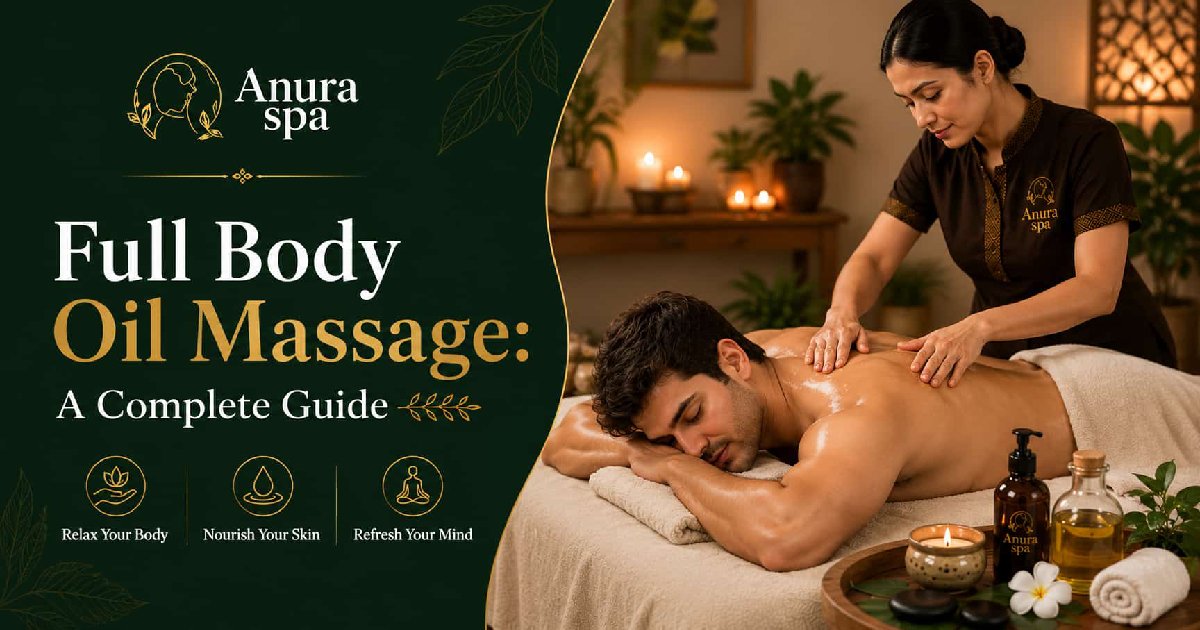
Some days, stress does not stay in the mind. It settles into the neck, tightens the shoulders, stiffens the back, and leaves the body feeling heavy. When rest alone does not seem to help, many people turn to a full body oil massage as a way to release that built-up tension and reconnect with their body.
The experience combines the calming effect of touch with the smoothness of massage oil, creating a treatment that feels both soothing and refreshing. Instead of focusing on only one sore spot, the session usually moves across several areas of the body, helping you relax more fully. This slow, steady rhythm makes the body feel less tense while also giving the skin a soft, nourished feel.
In this guide, we’ll explain what a full-body oil massage means and its benefits. Also, learn which oils are used, when to choose this treatment, and what to expect during a session.
- Full-body oil massage is a relaxing treatment that uses smooth oil strokes across major muscle groups.
- Popular oil-based full body massage styles include Swedish, aromatherapy, ayurvedic, hot stone, deep tissue, and sports massage.
- Common oils used in full-body massage include coconut, sweet almond, sesame, jojoba, grapeseed, sunflower, and olive oil.
- The main benefits include deep relaxation, softer skin, muscle comfort, stress relief, better circulation, improved sleep, and travel recovery.
- To enjoy a safe session, choose the right oil, share skin or health concerns, avoid massage on broken or infected skin, and select a clean spa with trained practitioners.
- Possible side effects include skin irritation, a greasy feeling, mild tenderness, sleepiness, headache, allergic reaction, or infection risk if oil is used on broken skin.
What is a Full Body Oil Massage?
A full body oil massage is a relaxing body treatment where oil is applied across the major muscle groups of your body. It usually covers the back, shoulders, neck, arms, hands, legs, feet, and sometimes the head, depending on your preference. The oil helps the massage practitioner move smoothly over your skin while giving your body a softer and more comfortable experience.
This treatment is primarily designed for deep relaxation, skin hydration, and tension relief. Instead of working on one small area, it gives wider care to the parts that feel dry, tired, heavy, or tense. Therefore, a complete body oil massage suits you when you want your muscles, skin, and mind to feel calm together.
Types of Oil-Based Full Body Massage
Common oil-based full-body massage types include Swedish, deep tissue, aromatherapy, Ayurvedic, hot stone, and sports massage. Each style uses oil differently; some use more oil for smooth relaxation, while others use a lighter amount for focused work on tight or tired muscles.
1. Swedish Massage
Swedish massage is a gentle, oil-based massage that helps relax the body and reduce everyday stress. During the session, the practitioner applies a generous layer of oil and uses long, smooth strokes with light to medium pressure to support better comfort and relaxation.
2. Deep Tissue Massage
Deep tissue massage targets the underlying layers of your muscles and connective tissues to ease long-term body discomfort. In this oil-based massage style, the practitioner uses only a small amount of oil, enough to reduce skin friction without losing control over tight zones. This helps the massage feel smooth while still allowing focused work on the tension-prone areas.
3. Aromatherapy Massage
Aromatherapy massage uses massage oil mixed with essential oils. These oils add a pleasant scent to the session and make the experience feel more calming. This makes it a good choice when you want stress relief, better rest, and a more peaceful spa experience.
4. Ayurvedic Massage
Ayurvedic massage is a warm oil massage rooted in Indian wellness practice. It uses herbal oil, often sesame, coconut, or a customized blend, to create smooth movement across the body. With steady rhythmic strokes from head to toe, this oil massage treatment supports deep relaxation, skin nourishment, and a calmer overall feeling.
5. Hot Stone Massage
Hot stone massage uses oil to prepare the skin before warm stones are placed or moved over the body. The oil helps the stones and hands glide more comfortably, while the heat softens tight areas and adds deeper warmth. This treatment feels especially soothing when your body feels cold, heavy, stiff, or tired.
6. Sports Massage
Sports massage combines light oil, firm bodywork, stretching, and targeted muscle care. The oil prevents harsh rubbing on the skin, while the technique focuses on areas affected by sports, workouts, or trekking. This bodywork is useful when your body needs recovery support instead of simple relaxation.
What Are the Benefits of a Full-Body Oil Massage?
A full-body oil massage helps ease the body’s heaviness by relaxing tired muscles and supporting better blood flow in the treated areas. At the same time, the oil nourishes the skin, and the slow massage rhythm helps reduce stress, making both body and mind feel calmer and more rested.
- Deep Relaxation: A full-body oil massage slows the body down through steady strokes, warm oil, and gentle pressure. As the muscles release tension, the mind also feels calmer and more settled.
- Skin Softness: The oil nourishes the skin while the massage spreads moisture evenly across the body. At the same time, light rubbing removes surface dryness, leaving the skin smoother and softer.
- Muscle Comfort: Tired muscles often feel tight after work, exercise, or long sitting. A full-body oil massage eases that tightness by warming the tissues and reducing pressure in sore areas.
- Stress Relief: Stress often builds up in the shoulders, neck, back, and head. During the massage, slow hand movements relax these areas and help the body feel less tense.
- Better Blood Circulation: The therapist’s rhythmic strokes gently stimulate blood vessels and support natural circulation. It brings more oxygen to tired muscles, which reduces fatigue.
- Supports Better Sleep: Warm oil and steady touch create a soothing effect on sore muscles and the nervous system. This relaxed state makes it easier for you to rest and fall asleep.
- Travel Recovery: Travel often leaves your back, legs, shoulders, and hips feeling heavy from staying still too long. An oil-based whole body massage loosens stiff areas and supports blood flow, so your body feels lighter and easier to move.
What Oils Are Used for Full Body Massage?
For a whole body oil massage, most spas use carrier oils because they spread well and feel safe on the skin. Common options include coconut, sweet almond, sesame, jojoba, grapeseed, sunflower, olive, and herbal oil blends. Even when essential oils are used for aroma, they should be mixed with a carrier oil before touching the skin.
However, not every oil feels the same during a massage. Some feel rich and deeply moisturizing, while others feel light, smooth, and less greasy. Therefore, the best oil for massage depends on your skin type, comfort level, scent preference, and the kind of experience you want.
Here is a quick overview of common oils used for massage with their uses:
| Massage Oil | Best For | Skin Feels |
| Coconut oil | Dry skin and smooth glide | Rich and moisturizing |
| Sweet almond oil | General body massage | Smooth and nourishing |
| Sesame oil | Ayurvedic-style massage | Warm and grounding |
| Jojoba oil | Sensitive or balanced skin | Light and skin-friendly |
| Grapeseed oil | Light massage feels | Smooth and less greasy |
| Sunflower oil | Dry or sensitive skin | Light and softening |
| Olive oil | Dry skin and traditional massage | Thicker and richer |
| Essential oil blend | Aromatherapy massage | Depends on the carrier oil |
What Happens During a Full Body Oil Massage Session?
During a full-body oil massage session, first, the practitioner asks about your comfort level, skin concerns, oil preference, and areas that need more care. Then, they apply oil and use smooth, flowing strokes across your body to help you feel warm, relaxed, and refreshed.
Before the Massage
- Your session begins with a short discussion about how your body feels and what kind of massage you want.
- If you have allergies, skin sensitivity, injuries, pregnancy concerns, or health conditions, share them before the treatment starts.
- The spa team also checks your comfort with the oil, scent, room setting, and firmness level.
- Once everything is clear, you prepare for the massage in a private room with proper covering and personal comfort.
During the Massage
- The massage practitioner starts by spreading oil over the body areas included in your session.
- The oil creates a smooth glide, so each movement feels soft, warm, and easy on the skin.
- The session then follows a steady flow across areas like the back, shoulders, arms, legs, feet, and neck.
- If any movement feels too strong, too light, or uncomfortable, say it clearly during the session.
- As the treatment continues, the smooth rhythm helps your body slow down and relax more deeply.
After the Massage
- When the session ends, you are given time to rest for a moment before getting up.
- Your skin often feels soft and lightly coated because some oil stays on the surface.
- If you enjoy that nourished feeling, leave the oil on for a short time before showering.
- Afterward, drink water and keep your routine light so the relaxed feeling lasts longer.
- Most people leave feeling calmer, warmer, and more refreshed from head to toe.
When to Get a Full Body Oil Massage?
You should get a whole body oil massage when stress, dryness, tiredness, or daily movement affects more than one area of your body. It is best suited for people who need calm, skin nourishment, and complete relaxation in one session.
- After Long Work Hours: Long work hours tighten the neck, shoulders, back, and legs, especially when your body stays in one position for hours. Warm oil and steady massage strokes release that built-up pressure and help your body shift from work tension to deep rest.
- After Travel: Long flights, road trips, and walking around the city place a steady strain on your body. Full-body oil massage brings warmth and movement back into these tired areas, so the body feels lighter after travel.
- When Your Skin Feels Dry: Dry skin often feels tight, rough, or uncomfortable, especially after sun, cold weather, or long travel. A body massage with oil adds smoothness and comfort while giving your skin a nourished feel.
- During Stressful Days: Stress does not stay only in the mind; it often settles into the shoulders, jaw, back, and chest. Slow oil massage strokes calm body tension, steady the breathing, and create a deeper sense of ease when the day feels mentally heavy.
- After Intense Physical Activity: Hard workouts and sports leave muscles tired from repeated use. A complete body oil massage helps those overworked areas relax and makes your body feel lighter.
What Are The Side Effects of Oil Massage on the Body?
Oil massage on the body has a few possible side effects, such as skin irritation, allergic reaction, or infection risk if you have broken skin. These effects usually happen when the oil does not suit your skin, or existing health concerns are not shared before the session.
- Skin Irritation or Allergy: Some oils or fragrances irritate sensitive skin or trigger allergic reactions and cause itching, redness, or a burning feeling. If you notice such reactions, stop the massage and wash the area gently.
- Skin Breakouts: Applying heavy oils over the entire body can trap sweat, dead skin cells, and bacteria inside your pores. If the massage oil isn’t thoroughly washed off after the session, it can lead to clogged pores and acne breakouts.
- Infection Risk If Used on Broken Skin: Oil massage should not be done over cuts, wounds, burns, active rashes, boils, or infected skin. Rubbing oil on those areas irritates the skin and may spread infection.
Things to Consider When Choosing the Full Body Oil Massage
When choosing a full body massage with oil, first consider what your body and skin need. Then, look for a spa that uses suitable oils, trained practitioners, clean rooms, and a calm setting for a safe and relaxing session.
- Know Your Main Goal: Decide whether you want relaxation, skin softness, stress relief, or travel recovery. This helps you choose the right oil massage treatment instead of booking a random session.
- Ask About the Oil Used: Different oils feel different on the skin, so ask the spa team what oil they use before the session. If your skin is dry, sensitive, or fragrance-sensitive, this step becomes even more important.
- Share Skin Concerns Early: Tell the practitioner about allergies, rashes, acne-prone skin, or irritation before the massage starts. As a result, they choose a suitable oil and avoid products that disturb your skin.
- Check Hygiene and Privacy: Clean rooms, fresh towels, proper draping, and a quiet space shape the whole experience. These details help you feel safe, relaxed, and fully at ease during the session.
- Choose Skilled Hands: Good oil massage depends on steady strokes, safe technique, and proper oil application. A trained practitioner gives your body better care than a session chosen only by price.
- Pick the Right Firmness: A body massage with oil should feel smooth, soothing, and comfortable. Therefore, choose a firmness level that relaxes your body instead of making the session feel painful.
Conclusion
Full body oil massage gives your body a soothing way to relax, recover, and feel more comfortable from head to toe. It combines smooth massage movements with nourishing oil, which helps reduce dryness, ease body heaviness, soften the skin, and calm the mind.
To get the best experience, choose an oil massage treatment that matches your skin type, comfort level, and body needs. Also, share your allergies, sensitivities, or health concerns before the session so your massage feels safe, smooth, and fully relaxing.
For this reason, your spa choice matters as much as the massage oil itself. At Anura Spa, massage is designed around your comfort, skin needs, and tension areas. Our therapists use relaxing oil-based techniques to help your body feel calm, nourished, and refreshed from head to toe. Whether you want warm Ayurvedic care, a soothing aromatherapy session, or a relaxing hot stone oil massage after work or travel, Anura Spa gives you a peaceful space to reset.
Book with Anura Spa today and feel the comfort of warm oil, steady touch, and deep relaxation.
FAQs
Is a full-body oil massage good for the body?
Yes, a full-body oil massage is good for the body as it supports relaxation, skin softness, muscle comfort, and stress relief. The smooth massage rhythm also helps your body feel calmer, warmer, and more refreshed after the session.
What is included in a complete body oil massage?
A complete body oil massage includes warm, nourishing oils combined with smooth strokes, gentle kneading, and light drainage-style techniques. These movements help soften the skin, ease body tension, and create a calm, relaxing feeling from head to toe.
How long does a full-body oil massage take?
A full-body oil massage usually takes 60, 90, or 120 minutes. A 60-minute session suits general relaxation, while longer sessions allow more time for full-body comfort.
How often should you get a full-body oil massage?
You should get a full-body oil massage once a week, every two weeks, or monthly for regular relaxation and body comfort. However, the frequency usually depends on your lifestyle, stress level, skin dryness, and body tiredness.
Who should avoid a full-body oil massage?
People with open wounds, skin infections, oil allergies, fractures, blood clot risks, high-risk pregnancies, or those recovering from recent surgeries should avoid a full-body oil massage. They should speak with a healthcare professional first before booking a session.