Table of Contents
Spa therapy is a combination of massage, heat therapy, skin care, and relaxation techniques designed to improve both physical and mental well-being.
More than a luxury, it helps reduce stress, ease muscle tension, refresh the skin, and give your body time to rest. Whether you are visiting a spa for the first time or planning to make self-care part of your routine, understanding spa therapy helps you choose the right treatment.
From massages and facials to steam baths, body scrubs, and couples spa sessions, each treatment is designed to promote relaxation, comfort, and self-care. In this guide, you’ll learn what spa therapy is in detail, how it works, its key benefits, the most common types of spa treatments, and what to expect during your first spa visit.
- Spa therapy brings together massage, heat, water, skin care, and calming surroundings to support both body relaxation and mental rest.
- Unlike massage therapy, spa therapy covers a wider self-care experience that may include facials, steam baths, saunas, body scrubs, aromatherapy, and other wellness treatments.
- Different spa treatments serve different needs, from easing muscle tightness and improving sleep to refreshing the skin and reducing daily stress.
- First-time spa visitors can expect a simple process that includes treatment selection, comfort questions, pressure preference, a private room, and after-session rest.
- The right spa therapy depends on your goal, whether that is stress relief, muscle recovery, skin freshness, foot relaxation, post-travel fatigue, or complete body relaxation.
What Is Spa Therapy?
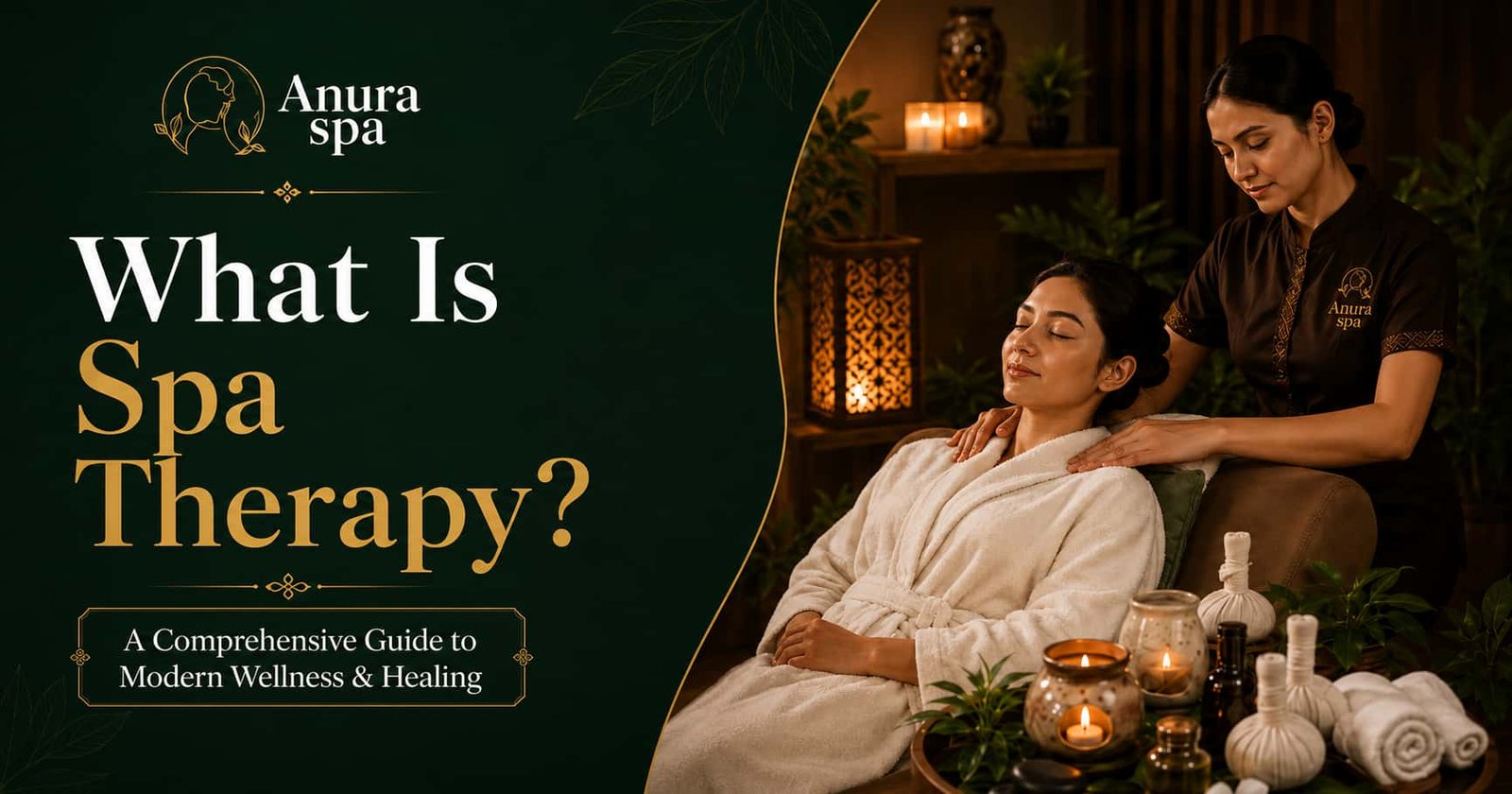
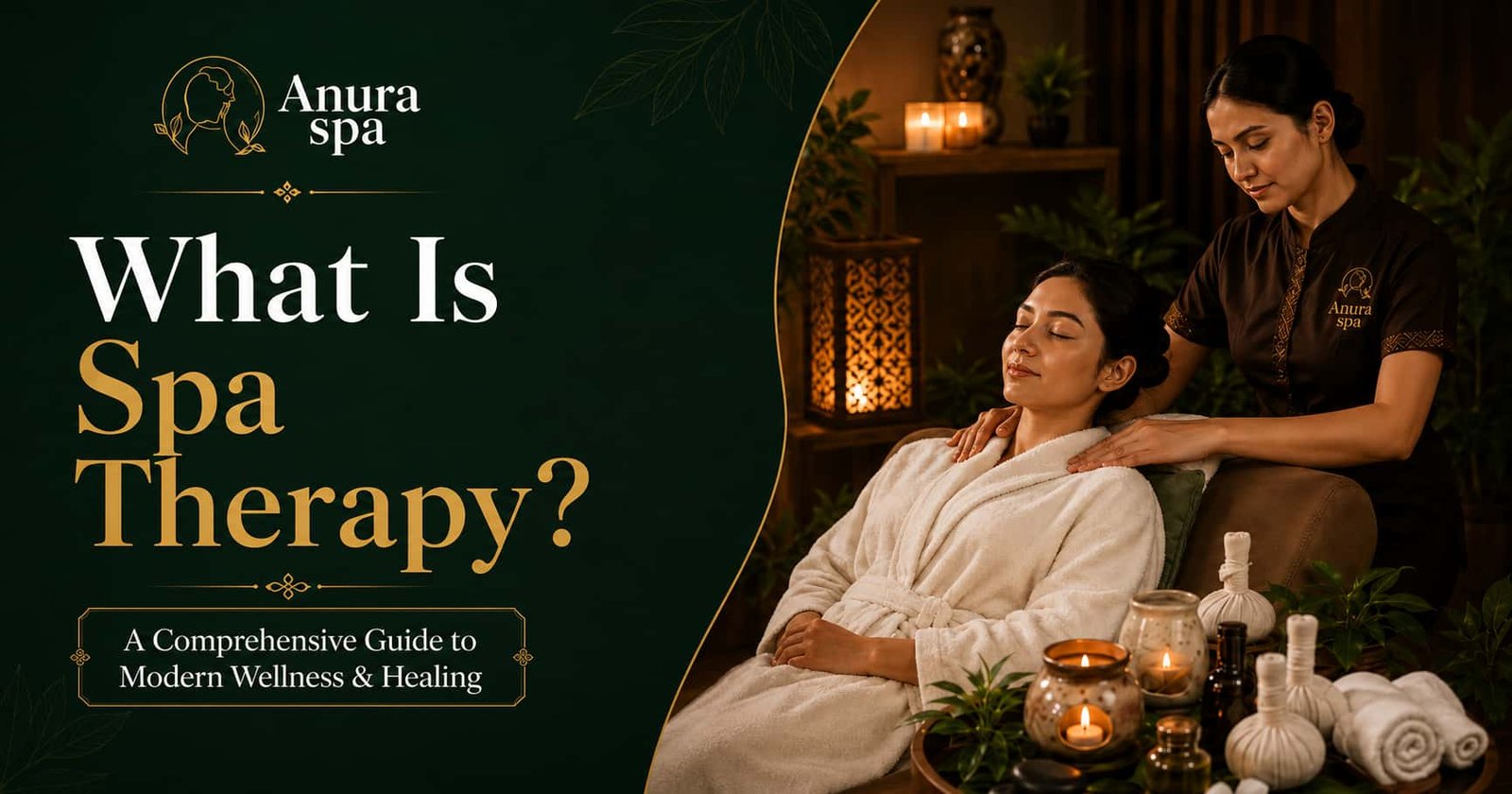
Spa therapy is a collection of wellness treatments designed to help the body relax, recover, and feel refreshed. It combines massage, body care, skin treatments, heat therapy, water therapy, and calming surroundings to support physical and mental rest.
While the word “spa” is often linked with water-based healing, modern spas offer much more. Spa therapy includes full-body massage, facials, aromatherapy, steam baths, hot stone massage, body polishing, foot care, and other health-focused treatments.
Beyond the actual treatments, a peaceful setting is also an important part of spa therapy. Soft lighting, calming music, warm towels, and soothing natural oils are carefully chosen to create a relaxing environment where experienced therapists help you unwind and restore balance.
How Does Spa Therapy Work?
Spa therapy works by calming the nervous system, relaxing tight muscles, improving blood flow, and giving the mind a break from daily pressure. The peaceful setting also plays a big role. Soft lighting, calm music, clean rooms, and trained touch help the body feel safe and relaxed.
Different spa treatments work in different ways. Massage eases muscle tension, steam helps open pores and supports deep cleansing, facials nourish the skin, and aromatherapy uses essential oils to promote relaxation. Together, these treatments help the body and mind feel refreshed.
What Is the Difference Between Spa Therapy and Massage Therapy?
The main difference between spa therapy and massage therapy is their purpose and scope. Massage therapy is a part of spa therapy, but spa therapy is not limited to massage alone.
Spa therapy is a broader wellness experience that combines massage with treatments such as facials, body scrubs, steam baths, sauna sessions, and other relaxation-focused services. Massage therapy, on the other hand, is a specialized treatment that focuses on relieving muscle pain, reducing tension, improving mobility, and supporting physical recovery.
In simple terms, every spa may offer massage therapy, but not every massage therapy session is a complete spa experience. A spa focuses on overall relaxation, self-care, and well-being, while massage therapy primarily targets the muscles, joints, and soft tissues to address specific physical concerns.
| Point | Spa Treatment | Massage Therapy |
| Main Focus | Relaxation, self-care, skin care, and overall well-being | Pain relief, muscle recovery, and improved mobility |
| Includes | Massage, facials, steam bath, sauna, body scrubs, hot stone therapy, aromatherapy, and other spa services | Hands-on techniques that target muscles, joints, and soft tissues |
| Best For | Stress reduction, skin rejuvenation, relaxation, and self-care | Chronic pain, muscle stiffness, sports recovery, and injury rehabilitation |
| Setting | Day spas, wellness centers, and luxury spas with a peaceful atmosphere | Massage clinics, physiotherapy centers, chiropractic clinics, and rehabilitation facilities |
| Approach | A holistic approach that focuses on overall relaxation and personal well-being | Clinical approach focused on treating specific physical concerns |
If your body feels tight or painful, massage therapy is a better choice. If you want a relaxing experience with skin and body care, a spa treatment suits you better.
What Are the Common Types of Spa Therapy?
The most common types of spa therapy include full-body massage, deep tissue massage, aromatherapy massage, hot stone therapy, steam baths, sauna therapy, facial treatments, body scrubs, and foot massages. Each treatment offers unique benefits, allowing you to choose the one that best matches your wellness goals.
1. Full Body Massage
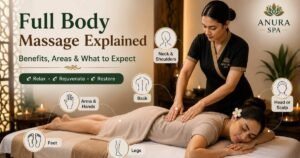
A full-body massage focuses on the major muscle groups, including the back, neck, shoulders, arms, hands, legs, and feet. Using gentle to firm pressure, it eases muscle tension, improves circulation, and encourages complete relaxation. This classic spa treatment is ideal for relieving everyday stress, reducing fatigue, and restoring overall balance.
2. Deep Tissue Massage
Deep tissue massage applies slow, firm pressure to the deeper layers of muscles and connective tissues. It is designed to release chronic tension, improve flexibility, and ease muscle stiffness. This massage is especially beneficial for active individuals, office workers, and anyone experiencing ongoing muscle discomfort or restricted movement.
3. Aromatherapy Massage
Aromatherapy massage combines soothing massage techniques with carefully selected essential oils to enhance both physical and emotional well-being. Each blend is chosen to match your wellness goals, whether you want to reduce stress, improve sleep quality, or boost your mood. The calming aromas and gentle touch create a peaceful, restorative experience.
4. Hot Stone Therapy
Hot stone therapy uses smooth, heated stones placed on key areas of the body to deliver comforting warmth. The heat penetrates deep into the muscles, easing tightness, improving circulation, and promoting profound relaxation. It is an excellent choice for relieving stiffness, fatigue, and the effects of cold weather.
5. Steam Bath
A steam bath surrounds the body with warm, moist heat that encourages relaxation and opens the pores. It supports healthy sweating, refreshes the skin, and leaves you feeling lighter and revitalized. Many people enjoy a steam bath before or after a massage to enhance its soothing effects.
6. Sauna Therapy
Sauna therapy uses gentle dry heat to warm the body from within, encouraging natural perspiration and muscle relaxation. The comforting warmth helps ease physical tension while providing a peaceful environment to unwind. It is perfect for those seeking deep relaxation and a refreshing wellness experience.
7. Facial Treatment
A facial treatment is designed to cleanse, nourish, and refresh the skin. It typically includes cleansing, exfoliation, facial massage, a treatment mask, and hydration to improve the skin’s appearance and texture. The result is a smoother, brighter, and healthier-looking complexion.
8. Body Scrub
A body scrub gently exfoliates the skin to remove dead skin cells and reveal a smoother, softer surface. This rejuvenating treatment improves skin texture, enhances its natural glow, and leaves the body feeling refreshed. It is especially beneficial before special occasions, after travel, or whenever the skin feels dry or dull.
9. Foot Massage
A foot massage concentrates on the feet, ankles, and lower legs to relieve tiredness and restore comfort. Gentle pressure helps reduce tension, improve circulation, and ease the heaviness caused by prolonged standing, walking, or travel. It is a simple yet deeply relaxing treatment that leaves your feet feeling refreshed and energized.
What Are the Modern Specialty Spa Therapies?
The most popular modern spa therapies include float spa therapy, IV therapy, fish spa therapy, and red light therapy. Each therapy is designed for a specific purpose, such as reducing stress, improving skin health, promoting recovery, or supporting overall wellness.
While some of these treatments are commonly offered in luxury spas or medical spas, others require trained healthcare professionals.
1. Float Spa Therapy
Float spa therapy, also known as flotation therapy, allows you to float effortlessly in a private tank filled with warm water and Epsom salt. The buoyancy reduces pressure on the joints while minimizing external distractions, creating an environment for deep relaxation, stress reduction, and mental recovery.
2. IV Therapy
IV therapy delivers fluids, vitamins, minerals, and other nutrients directly into the bloodstream through an intravenous drip. It is often chosen for hydration, post-travel recovery, or wellness support. Because it is a clinical procedure, IV therapy should only be performed by qualified medical professionals.
3. Fish Spa Therapy
Fish spa therapy is a unique foot treatment in which tiny fish gently exfoliate the feet by removing dead skin cells. The treatment leaves the skin feeling smoother, but it is important to choose providers who follow proper hygiene and safety standards.
4. Red Light Therapy
Red light therapy uses low-level red and near-infrared light to stimulate the skin’s natural repair processes. Commonly found in medical spas and advanced wellness centers, it helps support collagen production (the most abundant structural protein in your body), improve skin texture, and reduce the appearance of fine lines over time.
What Are the Benefits of Spa Therapy?
The main benefits of spa therapy include reducing stress, relaxing tired muscles, improving sleep quality, refreshing the skin, supporting healthy blood circulation, and encouraging regular self-care. These treatments work together to promote both physical and mental well-being, helping you feel more relaxed, refreshed, and balanced.
Whether you choose a massage, facial, sauna, or another spa treatment, regular spa visits can support your overall wellness while giving your body and mind time to recover from everyday stress.
I. Reduces Stress: Spa treatments give the mind a quiet break. Calm surroundings, gentle care, and slow bodywork help reduce mental pressure. Many people feel lighter and more peaceful after a session.
II. Relaxes Tired Muscles: Massage, steam, sauna, and hot stone therapy help loosen tight muscles. These treatments are useful after long work hours, workouts, travel, or trekking. They also help reduce stiffness in the back, neck, shoulders, legs, and feet.
III. Supports Better Sleep: A relaxed body often rests better at night. Spa treatments help calm the body, which supports deeper and more comfortable sleep. This is why many people book a massage or aromatherapy session during stressful weeks.
IV. Refreshes the Skin: Facials, steam, and body scrubs help clean and refresh the skin. They remove dirt, oil buildup, and dead skin from the surface. After treatment, the skin feels softer, cleaner, and more hydrated.
V. Improves Blood Flow: Massage and heat-based treatments support better blood flow in the body. This makes the body feel warmer, looser, and less heavy. Improved circulation also helps tired areas feel more relaxed.
VI. Gives Time for Self-Care: Spa visits give you time away from work, phones, noise, and daily pressure. Even a short session helps you feel more present and rested. Self-care does not always need to be complicated. Sometimes, the body simply needs quiet care.
What to Expect During Your First Spa Visit
Your first spa visit should be relaxing and comfortable. When you arrive, the spa team asks what treatment you want and whether you have any pain, allergies, injuries, or health concerns. For a massage, the therapist asks about your pressure preference.
You can choose light, medium, or firm pressure depending on your comfort. You will usually be taken to a private treatment room. The therapist will explain the basic process before the session starts.
During the treatment, you can speak up if the pressure feels too strong, too light, too hot, or uncomfortable. A good spa session should never feel unsafe. After the session, take a few minutes to rest. Drink water, avoid rushing, and let your body settle before returning to daily activity.
How to Choose the Right Spa Therapy
To choose the right spa therapy, first decide what result you want, such as relaxation, pain relief, muscle recovery, or stress reduction. Then select a treatment that matches that goal rather than choosing by price or popularity. Swedish massage, aromatherapy, or a steam bath suit relaxation, while deep tissue massage or hot stone therapy suits muscle tightness and body aches.
Here is an easy guide:
| Your Need | Best Spa Therapy Option |
| Stress relief | Aromatherapy massage or Swedish massage |
| Muscle tightness | Deep tissue massage |
| Body stiffness | Hot stone therapy or Thai massage |
| Skin freshness | Facial or body scrub |
| Weightless Mind Reset | Float Spa Therapy |
| Nutrient Hydration | IV Therapy at a Spa |
| Advanced Anti-Aging | Collagen-Stimulating Light Therapy Med Spa |
| Tired feet | Foot Massage or Fish Spa Therapy |
Before booking, also check the spa’s cleanliness, therapist experience, treatment details, and included facilities. A good spa should make you feel comfortable from the moment you enter.
Conclusion
Spa therapy is more than just a way to relax. It is a complete self-care experience that helps reduce stress, ease muscle tension, refresh the skin, and support your overall well-being. With a variety of treatments available, you can choose the one that best suits your individual needs and personal care goals.
Furthermore, the benefits of spa therapy depend not only on the treatment you choose but also on the quality of the spa. Skilled therapists, a peaceful environment, and personalized care all work together to create a safe, comfortable, and rewarding experience.
That’s why choosing the right spa matters. At Anura Spa, we offer a wide range of professional spa therapies tailored to your needs. Whether you’re looking to relax with a soothing massage, refresh your skin with a facial, or enjoy a complete wellness experience, our experienced therapists are here to help you feel relaxed, refreshed, and restored.
Book your appointment today and discover how professional spa therapy helps you relax, recharge, and restore your well-being.
FAQs
Is spa therapy the same as massage?
No, spa therapy is not the same as massage; massage is one part of spa therapy. Spa therapy also includes facials, body scrubs, steam bath, sauna, hot stone therapy, and other healing treatments.
What is the best spa therapy for beginners?
A Swedish massage, aromatherapy massage, facial, steam bath, or foot massage is a good choice for beginners. These treatments are gentle and easy to enjoy.
How long does a spa session take?
Most spa sessions last between 30 and 120 minutes. A full-body massage usually takes 60 or 90 minutes, while full spa packages often take longer.
Is spa therapy good for stress?
Yes, spa therapy is good for stress relief. Massage, aromatherapy, steam baths, and a calming spa environment help relax the body, reduce mental tension, and promote overall relaxation.
Can men take spa therapy?
Yes, men can take spa therapy. Many men choose massage, steam bath, sauna, facial, and foot massage for relaxation and body care.
How often should I visit a spa?
You should visit a spa once or twice a month, which is enough for most people. If you have regular tension, stress, or body stiffness, you benefit from more frequent sessions.
Is spa therapy safe?
Yes, Spa therapy is safe when performed by trained therapists in a clean spa. People with medical conditions, pregnancy, skin issues, or fresh injuries should ask for proper advice before booking.
What is fish spa therapy?
Fish spa therapy is a foot treatment where small fish gently remove dead skin from the feet. Some people use it for exfoliation, but hygiene and safety standards are important, so it should only be done in properly regulated places.
What is float spa therapy?
Float spa therapy is a relaxation treatment where you float in a tank or pool filled with warm salt water. The high salt level helps the body float easily, while the quiet setting helps reduce stress and mental noise.
What is IV therapy at a spa?
IV therapy at a spa is a treatment where fluids, vitamins, or nutrients are delivered through an intravenous drip. It is usually offered in medical spas or wellness clinics and should only be done by licensed medical professionals.