Your back supports much of your body’s movement, posture, and balance every single day. From sitting and standing to lifting and sleeping, your spine and surrounding muscles are constantly working for you. So when tension, stress, or strain builds up, your back is often one of the first places you feel it.
That’s why massage therapy is such a popular choice for back pain relief. It gives your body a chance to slow down, release tension, and recover from the pressure of daily life. But with so many types of massage available, choosing the right one feels confusing. Some massages focus on gentle relaxation, while others work deeper into tight muscles, stiffness, and pressure points. The best choice depends on how your pain feels, where it starts, and what your body needs.
In this guide, we’ll cover the best massages for back pain relief, from gentle relaxation massage to deeper muscle work. Apart from that, also learn what causes back pain, when massage is safe, and what to expect before, during, and after your session.
Key Highlights:
Back pain often starts from daily habits, such as sitting too long, lifting incorrectly, sleeping in a poor position, or holding stress in your body.
Massage therapy supports back comfort by relaxing tight muscles, improving blood flow, reducing stiffness, and helping your body move with more ease.
Deep tissue, spinal, Swedish, hot stone, Thai-stretching, cupping, and trekker’s massage all support back pain relief in different ways.
You should choose a trained therapist, explain your pain clearly, and avoid massage when your back pain feels sudden, severe, or medically sensitive.
What Causes Back Pain?
Back pain usually comes from long sitting, poor posture, stress, limited movement, wrong sleeping position, heavy lifting, or tired muscles. It also occurs due to injury, disc issues, arthritis, or nerve pressure, so severe or repeated pain needs medical advice.
Long Hours of Sitting: When you sit for too long, especially at a desk or in front of a screen, your back muscles become stiff and tired. Over time, this makes your back feel heavy, tight, or uncomfortable.
Poor Posture: Slouching, bending your neck forward, or sitting unevenly puts extra pressure on your spine and back muscles. Your body tries to adjust, but the wrong position often creates tension when it continues for too long.
Stress and Tension: Your body often holds stress around your shoulders, neck, and back. When stress builds up, your muscles tighten without you noticing, which leads to soreness and discomfort.
Lack of Movement: Your back needs regular walking, stretching, and gentle movement to stay flexible. When your body stays inactive for long hours, your muscles become stiff and less comfortable during daily tasks.
Poor Sleeping Position: Your sleeping posture affects how your back feels when you wake up. An uncomfortable position or an unsupportive mattress often leaves your back sore in the morning.
Lifting Heavy Items the Wrong Way: Lifting bags, boxes, or heavy objects without proper support strains your back muscles. Even small daily movements cause pain when your body twists or bends the wrong way.
Daily Lifestyle Habits: Simple habits like carrying a heavy bag on one shoulder, standing for long hours, wearing uncomfortable shoes, or using your phone for too long can slowly create tension in your back.
Overworked Muscles: Your back also feels sore after workouts, housework, travel, or standing for long hours. When your muscles do not get enough rest, they become tight, tired, and uncomfortable.
Injury or Medical Conditions: Back pain sometimes comes from injuries, disc problems, arthritis, nerve pressure, or other health issues. If your pain is severe or keeps returning, you should get medical advice before booking a massage.
What Are the Best Massages for Back Pain Relief?
The best massages for back pain relief include deep tissue, spinal, Swedish, hot stone, Thai-stretching, Ayurvedic, cupping, aromatherapy, acupressure, and trekker’s massage. Each type works differently, so the right choice depends on whether your back pain comes from tight muscles, stiffness, stress, posture, or physical strain.
1. Deep Tissue Massage
Deep tissue massage uses firm pressure and slow movements to reach deeper muscle layers. This massage usually feels more intense than a gentle relaxation massage, so clear communication with your therapist matters throughout the session.
What it does: It releases deep muscle tightness, eases stiffness, and helps your back feel more mobile.
Best for: Chronic back tension, muscle knots, post-workout soreness, and stiff lower back muscles.
2. Spinal Massage
Spinal massage focuses on the muscles beside the backbone that support posture and movement. The therapist uses careful pressure around these areas to keep the session comfortable and controlled.
What it does: It relaxes the muscles near your spine and supports easier back movement.
Best for: Desk-job stiffness, lower back discomfort, posture-related tightness, and mild back tension.
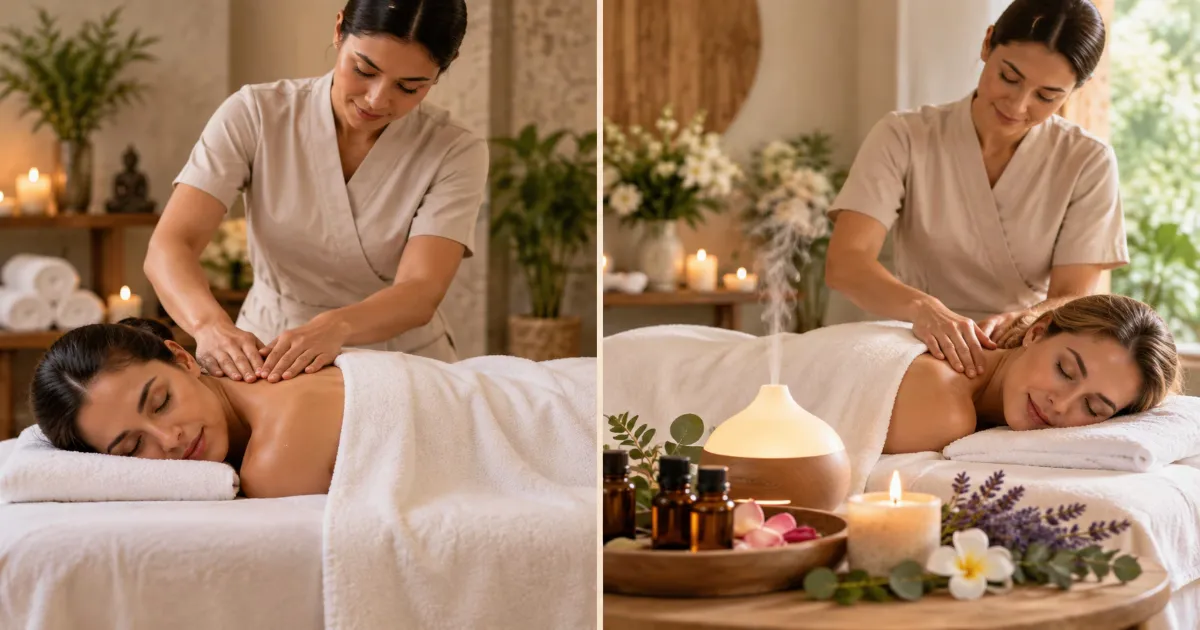
3. Swedish Massage
Swedish massage uses gentle strokes, kneading, and circular movements to relax your body. It is one of the easiest massage styles to start with because the pressure stays smooth and manageable.
What it does: It improves circulation, calms muscle tension, and helps your body feel relaxed.
Best for: Mild back pain, stress-related tightness, first-time massage clients, and light muscle soreness.
4. Hot Stone Massage
Hot stone massage uses heated stones during the session. The warmth adds a soothing effect that makes the experience feel calm, steady, and deeply comforting.
What it does: It reduces muscle tightness, supports blood flow, and gives deep relaxation through warmth.
Best for: Tight back muscles, shoulder and upper back stiffness, stress buildup, and deep relaxation.
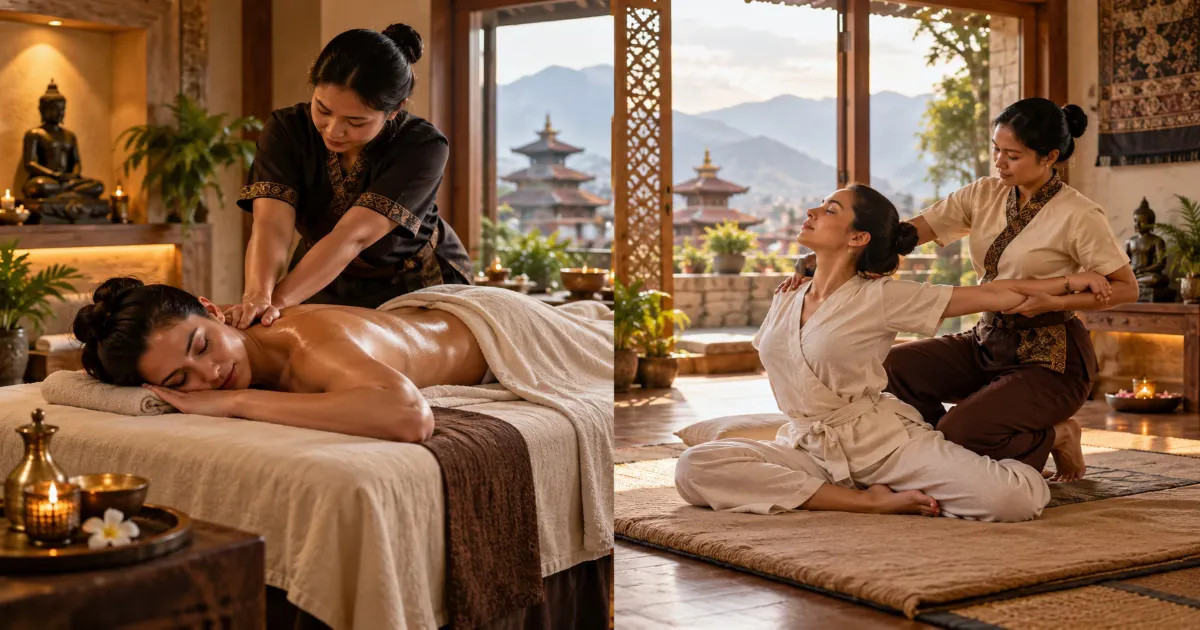
5. Thai-Stretching Massage
Thai-stretching massage combines assisted stretches with rhythmic pressure. Unlike oil-based massage, this style often involves more movement and is usually done with loose, comfortable clothing.
What it does: It improves flexibility, reduces body stiffness, and helps your muscles move with less resistance.
Best for: Back stiffness, tight hips, reduced flexibility, and tension from inactive routines.
6. Ayurvedic Massage
Ayurvedic massage uses warm oil and soothing strokes based on traditional healing methods. The warm oil adds a nourishing feel to the session and helps your body settle into a calmer state.
What it does: It supports circulation, eases body tension, and leaves your back feeling lighter.
Best for: Stress-related back pain, body fatigue, mild joint stiffness, and full-body relaxation.
7. Cupping Massage
Cupping uses suction cups on selected areas of the back. The treatment often leaves temporary round marks, which are normal and usually fade within a few days.
What it does: It loosens tight fascia (the thin layer of connective tissue around your muscles), reduces muscle discomfort, and supports recovery in sore areas.
Best for: Back tightness, athletic strain, muscle recovery, and stubborn sore spots.
8. Aromatherapy Massage
Aromatherapy massage combines gentle massage with selected essential oils. The scent and soft pressure create a calming session, especially when your back feels tight from stress.
What it does: It relaxes your body, reduces stress-related tension, and supports better rest.
Best for: Stress-related back pain, mild soreness, poor sleep, and emotional tiredness.
9. Acupressure Shiatsu
Acupressure Shiatsu uses finger pressure on specific points rather than oil-based strokes. The pressure feels steady and controlled, making it different from a flowing relaxation massage.
What it does: It helps reduce tension, supports circulation, and balances body energy through pressure points.
Best for: Firm-pressure preference, back stiffness, stress tension, and tired muscles.
10. Trekkers Special Massage
Trekkers Special Massage is designed for muscles that feel sore after hiking, climbing, or long physical activity. It focuses on tired areas that work hard during long walks, uphill trails, and travel.
What it does: It reduces muscle soreness, supports recovery, and helps tired joints feel more comfortable.
Best for: Hiking fatigue, travel-related back pain, leg and back soreness, and post-trek recovery.
11. Head, Neck, and Shoulder Massage
Head, neck, and shoulder massage focuses on the upper body areas where tension often starts. It works well when your back discomfort connects with neck stiffness, shoulder tightness, or screen-related posture.
What it does: It eases upper body tension, reduces shoulder tightness, and helps your neck feel lighter.
Best for: Upper back pain, desk-work tension, stiff shoulders, neck strain, and tension headaches.
How Does Massage Therapy Help Relieve Back Pain?
Massage therapy helps relieve back pain by improving blood flow, reducing swelling, and loosening tight muscles around the spine. Furthermore, it supports natural pain relief through endorphin release and calms stress-related tension that makes your back feel stiff.
Improves Blood Flow: Massage uses pressure, strokes, and kneading to encourage better circulation around tight and sore back muscles. This helps deliver oxygen and nutrients to tired muscles, which supports tired tissues’ recovery.
Reduce Inflammation: Gentle massage helps calm irritated soft tissues by relaxing nearby muscles and improving fluid movement. When swelling and pressure are reduced, your back feels less tight and easier to move.
Break Down Adhesions: Adhesions are tight bands in muscles or connective tissues that limit smooth movement. Focused massage helps soften these tight areas, so your back feels less restricted.
Release Endorphins: Massage encourages your body to release endorphins, which are natural painkiller chemicals linked with comfort and pain relief. This helps reduce how strongly you feel discomfort and leaves your body more relaxed.
Improve Posture: Massage relaxes tight muscles that pull your shoulders, hips, or lower back out of balance. When your muscles loosen, it becomes easier to sit, stand, and move with better alignment.
Calms Stress-Related Tension: Stress makes your back muscles tighten, especially around the neck, shoulders, and lower back. Massage helps your nervous system settle, which reduces tension and makes your body feel calmer.
Safety Tips For Getting a Back Massage
For a safe back massage, clearly share your pain areas, begin with light to medium pressure, and avoid massage after sudden pain or injury. If you feel any discomfort during the session, tell your therapist immediately and give your body time to rest afterwards.
Share Your Pain: Tell your therapist where your back feels tight, sore, or sensitive before the session starts. Clear details help them adjust the pressure and focus on the areas that need care.
Start with Gentle Pressure: If you are new to massage or your back feels very sensitive, it’s better to begin with light to medium pressure. You can always ask for more pressure later if your body feels comfortable.
Don’t Ignore Sharp or Unusual Pain: A massage feels slightly intense in tight areas, but it should not feel sharp, burning, or unbearable. If something feels wrong, speak up right away so your therapist stops or adjusts the technique.
Avoid Massage Right After an Injury: If you recently hurt your back, had a fall, or feel sudden pain, it’s best to wait and get proper advice before booking a massage. Your body may need time and care before pressure is applied.
Be Careful with Deep Pressure: Deep massage can be helpful for tight muscles, but it is not suitable for everyone. If your back is very sore or sensitive, a gentler massage may be a better choice.
Give Your Body Time to Rest: After a back massage, avoid rushing into heavy work, intense exercise, or long hours of sitting. Give your body a little time to enjoy the relaxed feeling.
Choose a Trained Massage Therapist: A skilled therapist understands how to work with your body safely and comfortably. At a spa, you should always feel cared for, listened to, and relaxed throughout the session.
When Should You Avoid Back Massage?
You should avoid back massage when your body shows signs such as sharp pain, numbness, fresh injury, fever, burns, wounds, blood clot symptoms, or serious spine conditions. These conditions need medical care before massage therapy.
Severe or Sudden Pain: Avoid massage if your back pain starts suddenly or feels severe. Get medical advice first, especially if the pain spreads down your leg or comes with numbness.
Recent Injury: Do not massage your back after a fall, accident, fresh strain, or suspected fracture. Pressure on a new injury can increase swelling and slow recovery.
Fever or Infection: Skip massage when you have a fever, flu, skin infection, or any contagious illness. Your body needs rest, and close contact also puts others at risk.
Open Wounds or Burns: Avoid massage over cuts, bruises, burns, rashes, or irritated skin. Touching these areas causes more pain and delays healing.
Blood Clot Risk: Do not get a massage if you have a known blood clot or signs of deep vein thrombosis. Massage over a clot is unsafe because it can create serious health risks.
Recent Surgery: Wait for your doctor’s approval after back surgery or any major operation. Your body needs proper healing time before pressure is applied near the affected area.
Pregnancy Concerns: Pregnancy massage needs trained care and proper positioning. Speak with your doctor before booking if you have a high-risk pregnancy, unusual pain, or any medical concerns.
Serious Spine Conditions: Avoid deep pressure if you have severe osteoporosis, major disc problems, nerve compression, or spinal infection. A healthcare provider should guide you before any back massage.
Wrapping Up
Back pain often builds slowly through daily habits like sitting too long, sleeping poorly, lifting carelessly, or holding stress in your body. Choosing one of the best massages for back pain relief can help ease muscle tension, improve flexibility, and make daily movement more comfortable. From gentle Swedish massage to trekker’s massage, Thai stretching, and deep tissue, each therapy option supports your back differently.
For the best result, choose a massage that matches your pain level, body condition, and comfort with pressure. Similarly, the quality of your session also depends on the therapist, the setting, and how well your needs are understood.
That is where Anura Spa comes in. It provides a variety of massages, including gentle, firm, heat-based, and stretching-focused treatments for sore or overworked back muscles. Plus, the calm setting and personal pressure adjustment throughout the session make you more comfortable and relaxed.
Schedule your massage with Anura Spa and give your tired back muscles the relief they need.
Frequently Asked Questions
Is deep tissue massage good for lower back pain?
Yes, deep tissue massage is good for lower back pain when the discomfort comes from tight muscles, stiffness, knots, or physical strain. Its firm pressure reaches deeper muscle layers, releases built-up tension, and helps your lower back move more comfortably.
How often should you get a massage for back pain?
You should get a back pain massage once a week for ongoing tightness. Whereas for mild soreness or pain that comes and goes, occasional sessions are enough.
Can massage make back pain worse?
Yes, a massage sometimes worsens pain when the pressure is too strong, or the back has a fresh injury, severe inflammation, or an untreated medical condition. In such cases, stop the session and seek medical advice.
Is it normal to feel sore after a back massage?
Yes, mild soreness is common after a firm or deep pressure massage, especially when your muscles are already tight. It should settle within a day or two, but intense or worsening pain needs medical attention.
How long should a back massage session last?
A focused back massage should last 30 to 60 minutes, while a full-body session that includes the back often lasts 60 to 90 minutes. Sessions longer than that are usually not recommended because too much pressure on sore muscles leads to extra tenderness, fatigue, or irritation instead of relief.
When should you see a doctor for back pain?
You should see a doctor when your pain is severe, lasts for several weeks, follows an injury, or spreads down one or both legs. Seek urgent care if it comes with weakness, numbness, fever, loss of bladder or bowel control, or unexplained weight loss.
Ready to experience it? Book a spinal massage at Anura Spa in Thamel, Kathmandu.